Silicone vs Aluminum Bakeware: Which One Suits Your Baking?
Silicone and aluminum bakeware each have strengths and weaknesses. Understand the differences before choosing so your bakes release easily and cook evenly.
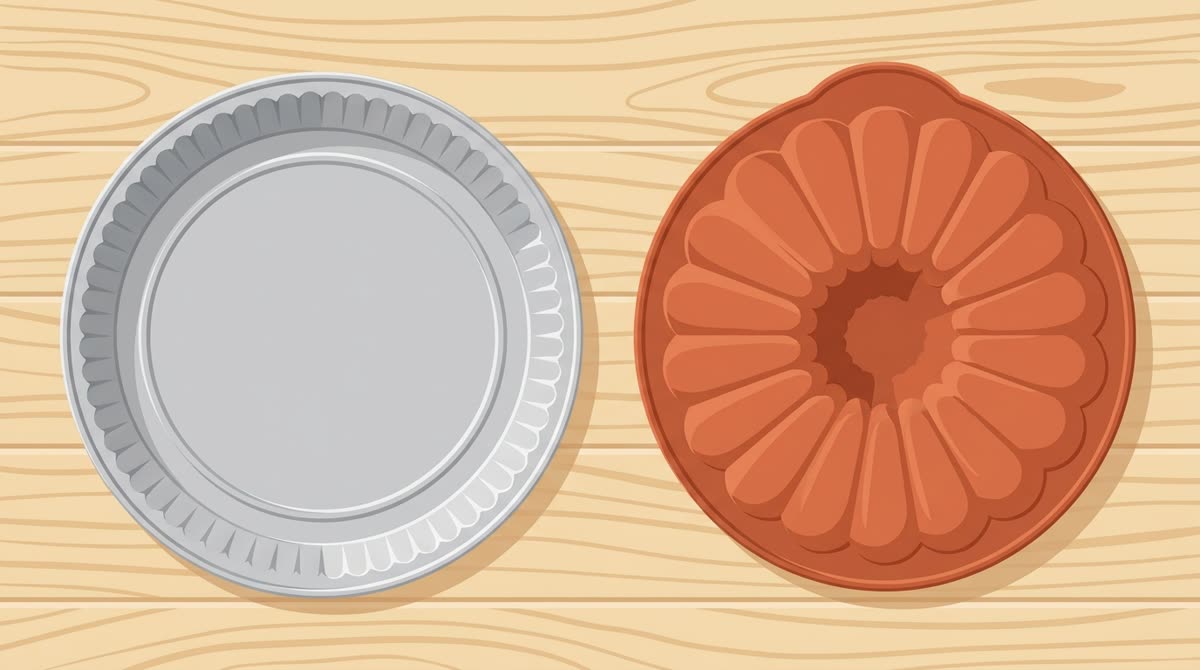
The basic difference between the two materials
Aluminum conducts heat well, so bakes usually cook evenly and the outside browns. Silicone is flexible and non-stick, but conducts heat more slowly, so the crust tends to be paler.
Neither is always better. The best choice depends on what you bake most and how you look after your equipment.
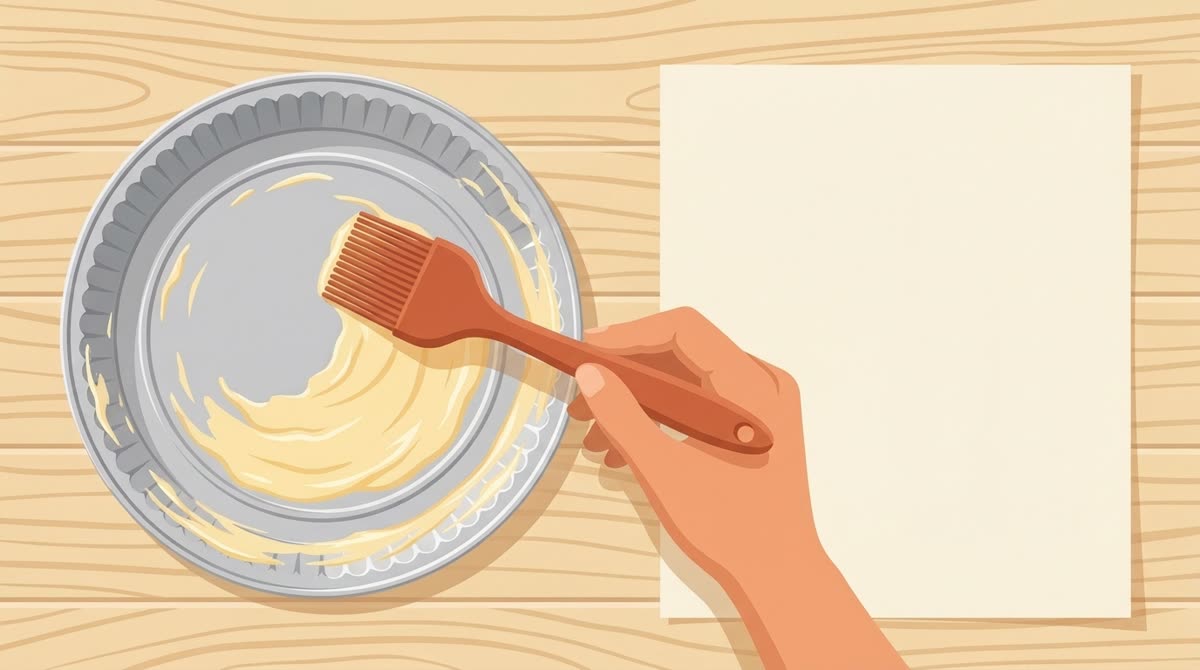
When an aluminum pan is the better choice
Aluminum suits bakes that need a crisp crust or golden-brown color, such as sponge cakes, bread, and cookies. It is rigid, so it is easy to move and stable in the oven.
- Brush on a thin layer of butter or line with parchment paper so the bake releases easily.
- Choose a pan thick enough that it does not warp with heat.
- Dark or non-stick coated pans usually brown faster; if needed, lower the temperature slightly or watch the baking time.
Avoid storing very acidic batter or ingredients in bare aluminum for a long time, because the metal can react with acidic foods.
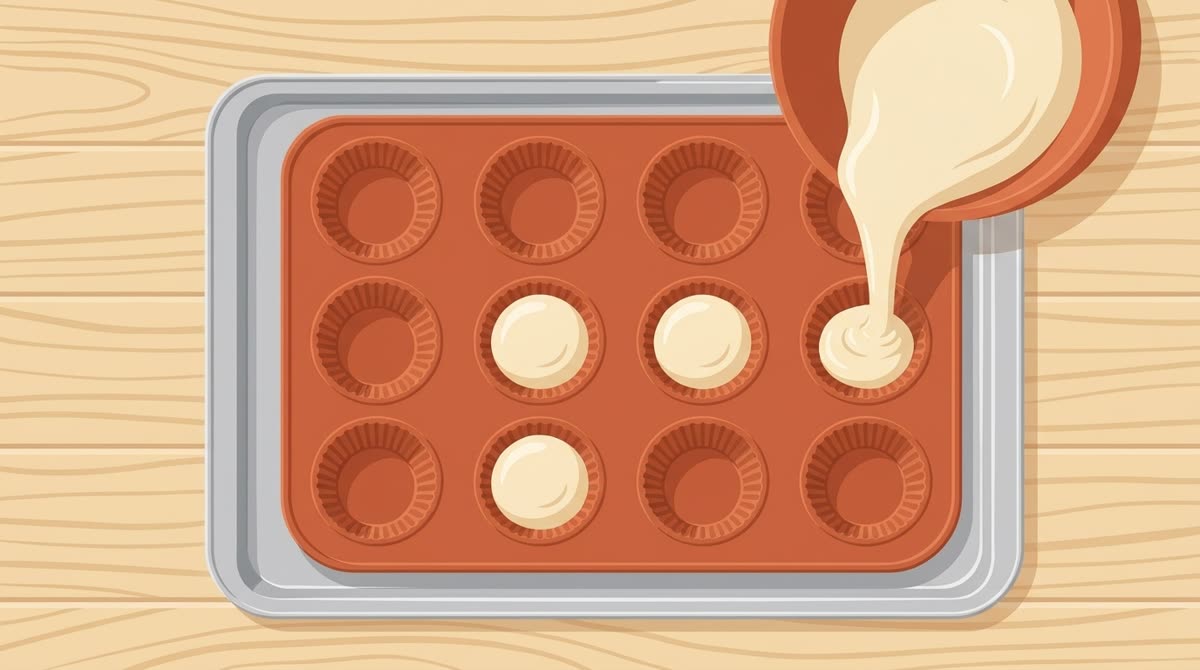
When a silicone mold is the better choice
Silicone is handy for muffins, puddings, chocolates, or jelly because the result is easy to remove by flexing the mold. It is also light and easy to store.
Because it is flexible, place a silicone mold on a flat metal tray before filling so it is easy to lift and keeps its shape.
- Check the temperature limit printed on the packaging or product listing.
- Choose thick silicone without a strong chemical smell.
- Do not cut cake inside the mold with a sharp knife.
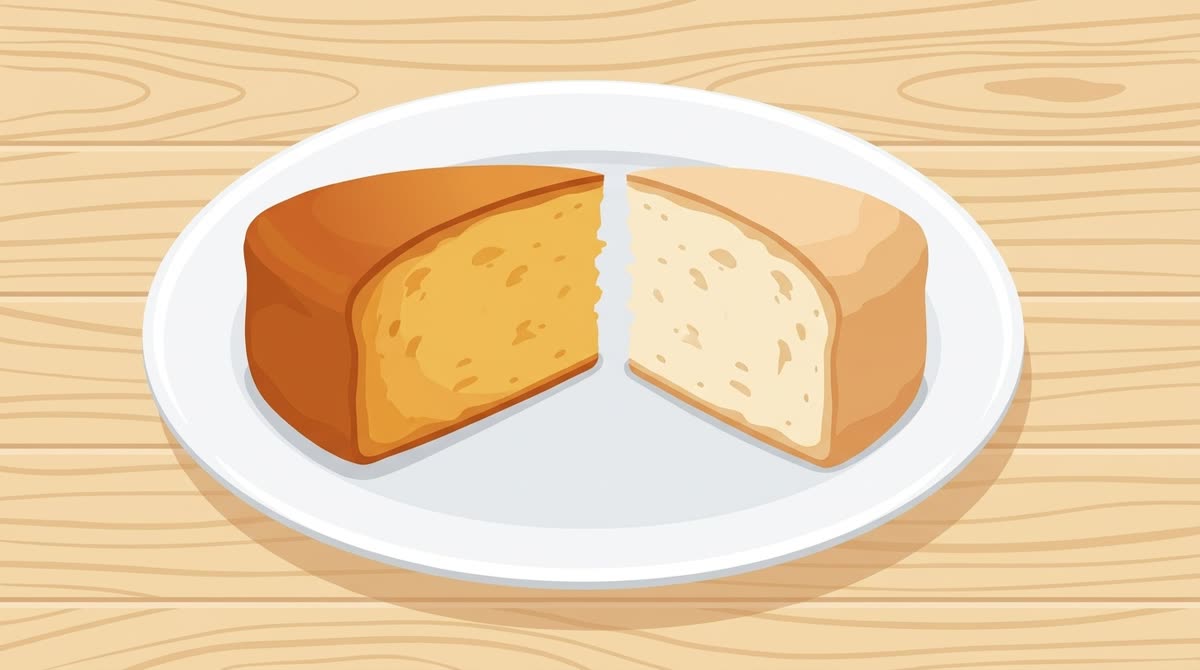
How it affects the result
With the same recipe, results can look different because the pan material affects crust color and how fast the bake sets. If you switch materials, check your bake more often on the first try.
Note the temperature, time, and result. Simple notes help you find the settings that suit your own oven.
Caring for them so they last
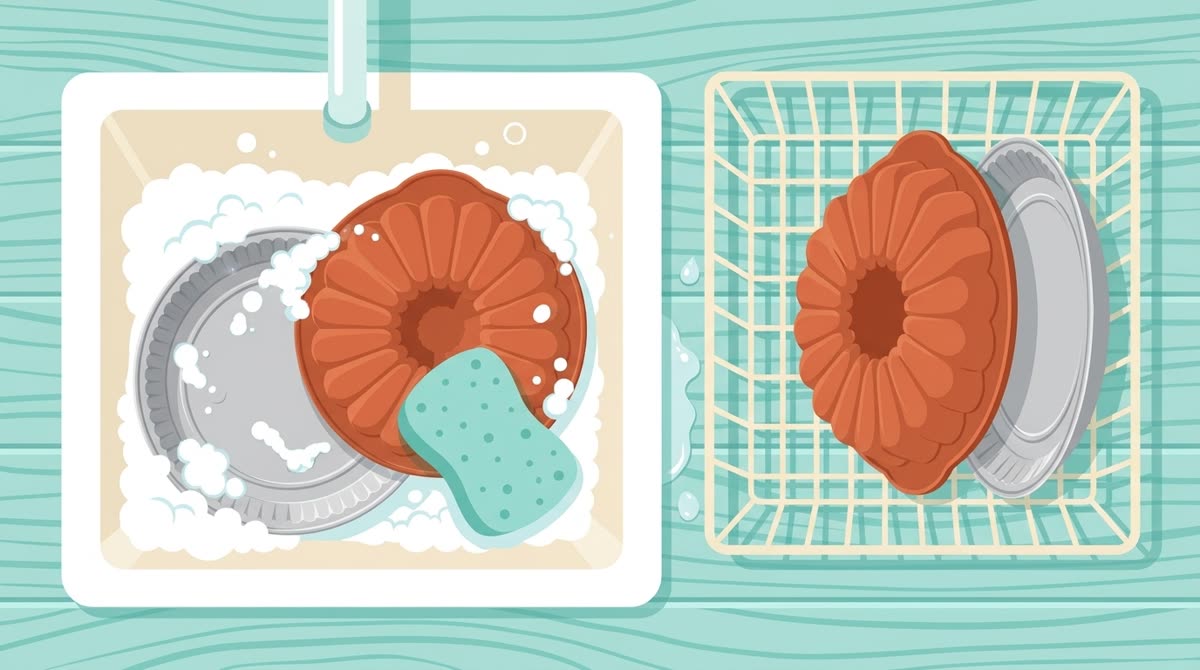
Wash pans and molds in warm water with mild soap and a soft sponge, then dry them completely before storing. Avoid steel wool, which can scratch the non-stick coating on aluminum pans.
Silicone can hold onto oil. If it feels slick or smells, wash again with warm water and soap and dry it in a ventilated spot.
Checklist before you buy
To start, one standard-size aluminum pan and one versatile silicone mold are usually enough. Add other types as your needs grow.
- Match the size and shape to your oven and the recipes you bake most.
- Check the temperature limit and care instructions from the seller or packaging.
- Pick a thickness that will not warp or tear easily.
- Make sure you have enough space on your storage shelf.
- Read reviews from buyers who bake the same kind of cake as you.
Frequently asked questions
Will a cake in a silicone pan always be paler?
It tends to be, because silicone conducts heat more slowly. You can extend the bake time slightly or use a slightly higher temperature while watching closely.
Do I need to grease an aluminum pan?
Usually yes, unless it has a non-stick coating. A thin layer of butter or parchment paper helps the bake release cleanly.
Is a silicone mold oven safe?
Many products are designed for ovens, but temperature limits differ. Check the seller's information or the packaging before using it.